

In the contemporary business landscape, environmental sustainability has emerged as a critical concern for companies across various industries. As a supplier of light duty racks, I often encounter inquiries regarding the environmental friendliness of our products. In this blog post, I will delve into the factors that determine the environmental impact of light duty racks and explore how our offerings contribute to a more sustainable future.
Understanding Light Duty Racks
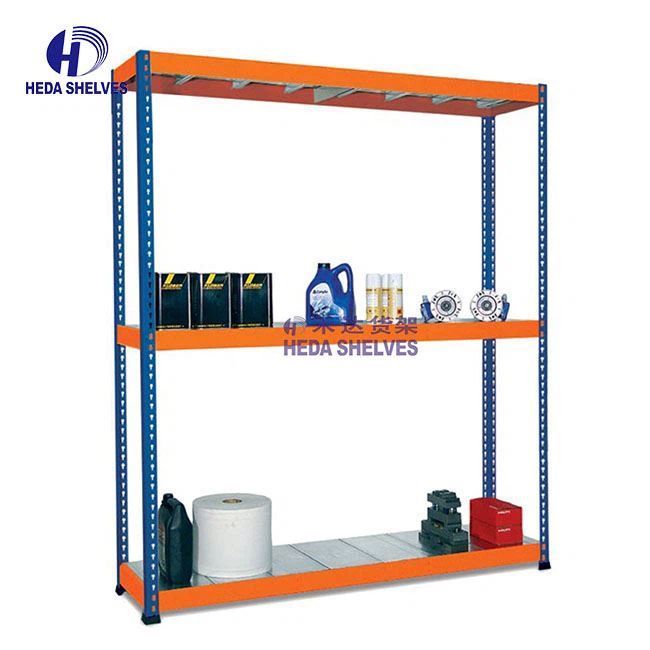
Before we assess the environmental friendliness of light duty racks, it's essential to understand what they are and how they are used. Light duty racks are designed to store relatively lightweight items in warehouses, offices, retail stores, and other commercial settings. They are typically made of steel or other metals and come in various configurations, such as Warehouse Light Duty Rack, Boltless Storage Rack, and Light Duty Storage Racks. These racks are known for their ease of installation, flexibility, and cost-effectiveness, making them a popular choice for businesses looking to optimize their storage space.
Environmental Factors of Light Duty Racks
1. Material Selection
The choice of materials used in the manufacturing of light duty racks plays a significant role in determining their environmental impact. Steel is the most common material used for light duty racks due to its strength, durability, and recyclability. Steel is one of the most recycled materials in the world, with a recycling rate of over 90%. When steel racks reach the end of their useful life, they can be easily recycled and reused to produce new steel products, reducing the demand for virgin materials and minimizing waste.
In addition to steel, some light duty racks may also incorporate other materials, such as aluminum or plastic. Aluminum is another highly recyclable material, and its lightweight nature can reduce energy consumption during transportation. Plastic components, on the other hand, can vary in their environmental impact depending on the type of plastic used and its recyclability. At our company, we prioritize the use of sustainable materials and work with suppliers who adhere to strict environmental standards to ensure that our light duty racks are as eco-friendly as possible.
2. Manufacturing Processes
The manufacturing processes used to produce light duty racks can also have a significant impact on the environment. Traditional manufacturing methods often involve high energy consumption, the use of hazardous chemicals, and the generation of large amounts of waste. However, advancements in manufacturing technology have led to the development of more sustainable production methods that minimize these environmental impacts.
For example, many modern light duty rack manufacturers use automated production lines that are designed to optimize energy efficiency and reduce waste. These production lines can precisely cut, bend, and assemble the rack components, resulting in less material waste and a more consistent product quality. Additionally, some manufacturers have implemented water-based painting systems that eliminate the use of volatile organic compounds (VOCs), which are harmful to the environment and human health.
At our company, we are committed to using sustainable manufacturing processes. We have invested in state-of-the-art equipment and technology to reduce our energy consumption, minimize waste, and eliminate the use of hazardous chemicals in our production facilities. By adopting these sustainable practices, we not only reduce our environmental impact but also improve the quality and durability of our light duty racks.
3. Product Lifespan and Durability
The lifespan and durability of light duty racks are important factors to consider when evaluating their environmental friendliness. A rack that is built to last will require fewer replacements over time, reducing the overall environmental impact associated with manufacturing, transportation, and disposal.
Our light duty racks are designed and engineered to withstand the rigors of daily use in commercial environments. We use high-quality materials and advanced manufacturing techniques to ensure that our racks are strong, stable, and durable. By providing our customers with long-lasting products, we help them reduce their environmental footprint and save money in the long run.
4. End-of-Life Management
Proper end-of-life management is crucial for minimizing the environmental impact of light duty racks. When a rack reaches the end of its useful life, it should be disposed of in an environmentally responsible manner. As mentioned earlier, steel racks are highly recyclable, and recycling them is the most sustainable option.
We encourage our customers to recycle their old light duty racks at the end of their lifespan. We also offer a take-back program for our products, where we collect and recycle the racks on behalf of our customers. By facilitating the recycling process, we ensure that our products are diverted from landfills and contribute to the circular economy.
Benefits of Choosing Environmentally Friendly Light Duty Racks
1. Reduced Carbon Footprint
By choosing light duty racks made from sustainable materials and manufactured using eco-friendly processes, businesses can significantly reduce their carbon footprint. Recycling steel and other materials reduces the energy consumption and greenhouse gas emissions associated with the production of virgin materials. Additionally, the use of lightweight materials and energy-efficient manufacturing processes can further reduce the carbon emissions generated during transportation and production.
2. Cost Savings
Environmentally friendly light duty racks can also result in cost savings for businesses. Long-lasting racks require fewer replacements, reducing the need for frequent capital expenditures. Additionally, the use of recycled materials can often be more cost-effective than using virgin materials, especially as the demand for sustainable products continues to grow.
3. Enhanced Corporate Social Responsibility
In today's business environment, consumers and stakeholders are increasingly concerned about environmental issues. By choosing environmentally friendly light duty racks, businesses can demonstrate their commitment to sustainability and enhance their corporate social responsibility (CSR) image. This can help attract environmentally conscious customers, investors, and partners, and differentiate the business from its competitors.

Conclusion
In conclusion, light duty racks can be environmentally friendly when they are made from sustainable materials, manufactured using eco-friendly processes, and properly managed at the end of their lifespan. As a supplier of light duty racks, we are committed to providing our customers with high-quality, sustainable products that meet their storage needs while minimizing their environmental impact.
If you are interested in learning more about our environmentally friendly light duty racks or would like to discuss your specific storage requirements, please feel free to contact us. Our team of experts is ready to assist you in finding the perfect storage solution for your business.
References
- American Iron and Steel Institute. (n.d.). Steel Recycling. Retrieved from [Website URL]
- Environmental Protection Agency. (n.d.). Recycling Basics. Retrieved from [Website URL]
- World Steel Association. (n.d.). Steel - The Sustainable Material. Retrieved from [Website URL]