

Hey there! If you're reading this, chances are you're either in the business of handling pallets or just looking to tidy up those things lying around in your warehouse. Well, I'm here to share some tips on how to clean pallets because, as a pallet supplier, I've seen it all.

Why Cleaning Pallets Matters
First off, you might be wondering why you even need to clean pallets. Well, dirty pallets can carry all sorts of nasties like dirt, grease, mold, and bacteria. This can contaminate your goods, especially if you're dealing with food or pharmaceuticals. Plus, a clean pallet looks more professional. When you're in the business of shipping and storing, first impressions matter. If a client sees a stack of dirty, grubby pallets, they might question the quality of your overall operation.
Different Types of Pallets and Their Cleaning Needs
Wooden Pallets
Wooden pallets are probably the most common type out there. They're sturdy, reliable, and relatively inexpensive. But they also absorb dirt and moisture easily, which can lead to mold and rot.
- Basic Cleaning: For light dirt and debris, start by using a stiff - bristle brush. Scrub the surface of the pallet to dislodge any loose dirt. You can then use a power washer on a low setting to rinse it off. Just be careful not to use too much pressure, as it can damage the wood.
- Dealing with Mold: If you notice mold on your wooden pallets, mix a solution of one part bleach to three parts water. Put on some gloves and a mask, then use a sponge or cloth to apply the solution to the affected areas. Let it sit for about 15 minutes, then scrub gently with a brush and rinse thoroughly. Make sure the pallets are completely dry before using or storing them.
Metal Pallets
Metal pallets are great for heavy - duty applications. They're durable and can withstand a lot of wear and tear. However, they're prone to rust if not properly maintained.
- Removing Rust: Start by using a wire brush to scrub off any loose rust. For stubborn rust spots, you can use a rust remover. Apply the rust remover according to the manufacturer's instructions, usually by spraying or brushing it on. Let it sit for a few minutes, then scrub with a brush and rinse with water.
- General Cleaning: To keep your metal pallets looking good and prevent future rust, wash them regularly with a mild detergent and water. After washing, dry them completely to avoid any moisture build - up.
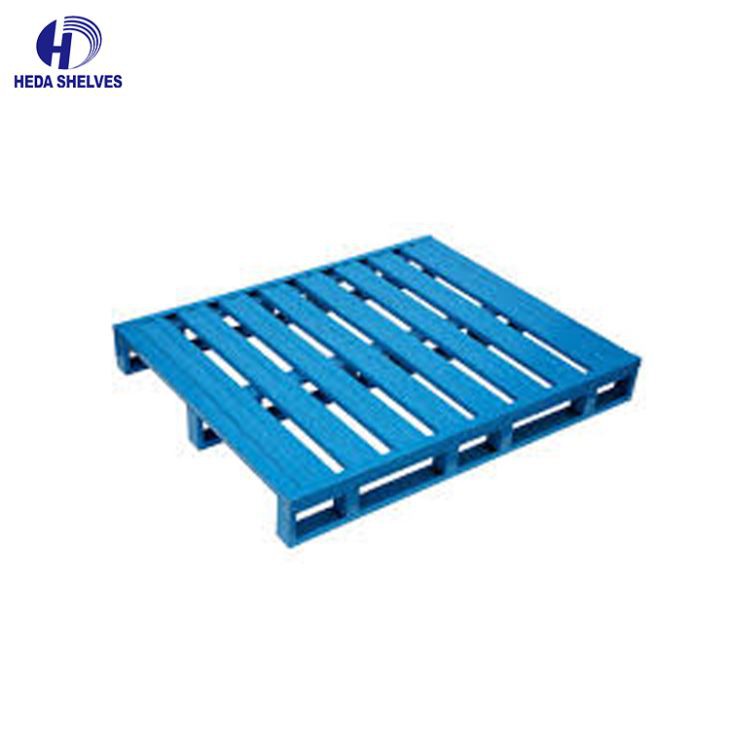
Steel Pallet
Steel pallets are similar to metal pallets but often have a higher strength - to - weight ratio. They're commonly used in industrial settings.
- Cleaning Process: Just like metal pallets, start with a wire brush to remove any debris or loose rust. You can use a pressure washer to clean the surface, but make sure the water pressure is appropriate to avoid damaging the steel. After cleaning, apply a rust - preventive coating to protect the steel from further corrosion.
Plastic Pallet
Plastic pallets are lightweight, easy to clean, and resistant to moisture and chemicals. They're a popular choice for industries where hygiene is crucial.
- Quick Clean: For a quick clean, simply use a hose to rinse off any dirt or debris. You can also use a mild soap solution and a soft brush to scrub the surface if needed.
- Deep Cleaning: If the plastic pallets have stubborn stains or odors, you can use a stronger cleaning agent. Look for a plastic - safe cleaner and follow the instructions on the label. After cleaning, rinse thoroughly and let the pallets dry in a well - ventilated area.
Step - by - Step Cleaning Guide
- Inspect the Pallets: Before you start cleaning, have a good look at each pallet. Check for any signs of damage such as broken boards, loose nails, or bent metal parts. If a pallet is severely damaged, it might be better to replace it rather than trying to clean it.
- Remove Loose Debris: Use a broom, brush, or air compressor to get rid of any loose dirt, dust, or debris on the pallets. This will make the subsequent cleaning steps more effective.
- Apply Cleaning Solution: Depending on the type of pallet and the level of dirt, choose the appropriate cleaning solution as described above. Use a sprayer, sponge, or cloth to apply the solution evenly across the surface of the pallet.
- Scrub the Pallets: Use a brush to scrub the pallets thoroughly. Pay special attention to the corners, edges, and any areas with stubborn stains.
- Rinse the Pallets: After scrubbing, rinse the pallets with water. For wooden and plastic pallets, you can use a hose or a power washer on a low setting. For metal and steel pallets, make sure to rinse off all the cleaning solution and rust remover.
- Dry the Pallets: Let the pallets dry completely before using or storing them. You can leave them in a sunny spot or use a fan to speed up the drying process.
Tips for Maintaining Clean Pallets
- Regular Inspections: Make it a habit to inspect your pallets regularly. This way, you can catch any issues like dirt build - up or damage early on.
- Proper Storage: Store your pallets in a clean, dry place. If possible, keep them off the ground to prevent moisture and dirt from accumulating.
- Use Protective Covers: For outdoor storage, consider using protective covers to shield your pallets from the elements.
Final Thoughts
Cleaning pallets might seem like a chore, but it's an essential part of maintaining a safe and efficient operation. By following these tips, you can ensure that your pallets are clean, hygienic, and in good condition for years to come.
If you're in the market for new pallets or have any questions about pallet cleaning and maintenance, don't hesitate to reach out. We're here to help you find the right pallets for your needs and offer advice on keeping them in top - notch shape.
References
- Industry best practices for pallet maintenance and cleaning
- Manufacturer's guidelines for different types of pallets