

As a seasoned hand truck supplier, I understand the importance of maintaining these essential tools for smooth and efficient operation. One crucial aspect of hand truck maintenance is lubricating the wheels. Properly lubricated wheels not only extend the lifespan of the hand truck but also enhance its performance, making it easier to maneuver heavy loads. In this blog post, I'll share some expert tips on how to lubricate the wheels of a hand truck effectively.
Why Lubricate Hand Truck Wheels?
Before diving into the lubrication process, let's understand why it's necessary. Hand trucks are often used in demanding environments, carrying heavy loads across various surfaces. Over time, the constant friction between the wheels and the surface, as well as exposure to dust, dirt, and debris, can cause wear and tear on the wheels and their bearings. This can lead to increased resistance, making the hand truck harder to push or pull, and may even result in premature wheel failure.
Lubricating the wheels reduces friction, which in turn decreases wear and tear on the wheels and bearings. It also helps to prevent rust and corrosion, especially if the hand truck is used in humid or wet conditions. By keeping the wheels well-lubricated, you can ensure that your hand truck operates smoothly and efficiently, saving you time and effort in the long run.
Types of Hand Trucks and Their Wheels
There are several types of hand trucks available, each designed for specific applications. Some common types include Light Duty Hand Truck, Platform Hand Truck, and Plastic Pallet Truck. The type of hand truck you have will determine the type of wheels it uses and the lubrication requirements.
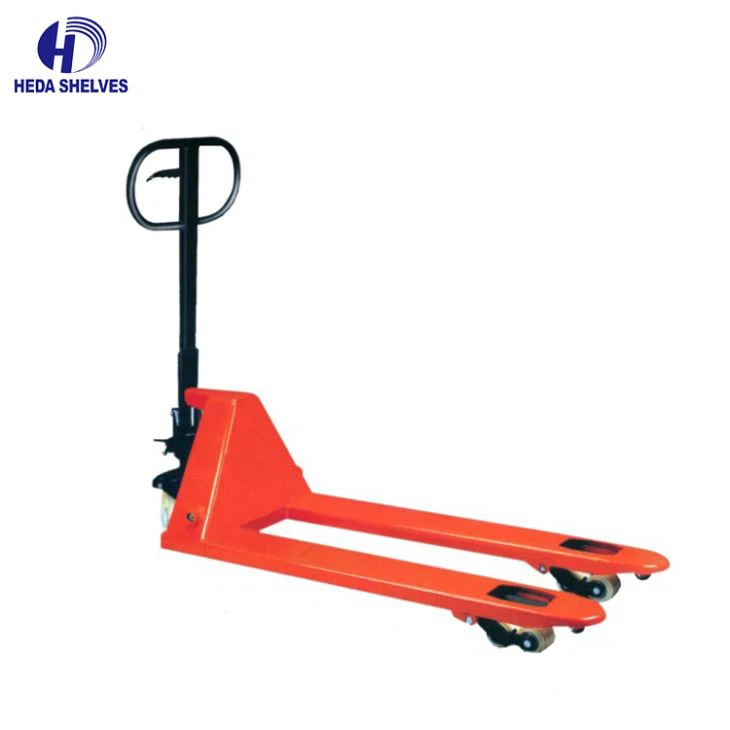

- Light Duty Hand Trucks: These are typically used for lighter loads and are often equipped with smaller, solid rubber wheels. Solid rubber wheels are relatively low-maintenance and can be lubricated with a general-purpose lubricant.
- Platform Hand Trucks: Platform hand trucks are designed to carry larger, heavier loads and usually have larger, pneumatic or semi-pneumatic wheels. Pneumatic wheels are filled with air, which provides a smoother ride and better shock absorption. Semi-pneumatic wheels are filled with a foam-like material. Both types of wheels require a different lubrication approach compared to solid rubber wheels.
- Plastic Pallet Trucks: Plastic pallet trucks are commonly used in warehouses and distribution centers for moving pallets. They often have polyurethane or nylon wheels, which are known for their durability and resistance to wear. These types of wheels may require a specific lubricant to maintain their performance.
Choosing the Right Lubricant
Selecting the appropriate lubricant is crucial for effective wheel lubrication. The type of lubricant you choose will depend on the type of wheels your hand truck has and the operating environment. Here are some common types of lubricants and their applications:
- Silicone Lubricant: Silicone lubricants are versatile and can be used on a variety of surfaces, including rubber, plastic, and metal. They provide excellent lubrication and are resistant to water, making them suitable for hand trucks used in wet or humid conditions. Silicone lubricants also help to prevent the buildup of dirt and debris on the wheels.
- Graphite Lubricant: Graphite lubricants are dry lubricants that are ideal for applications where oil-based lubricants may attract dirt and dust. They are commonly used on wheels that operate in dusty or dirty environments, such as warehouses or construction sites. Graphite lubricants provide smooth operation and reduce friction without leaving a sticky residue.
- Oil-Based Lubricant: Oil-based lubricants, such as motor oil or grease, are effective at reducing friction and providing long-lasting lubrication. However, they can attract dirt and debris, which may require more frequent cleaning. Oil-based lubricants are best suited for hand trucks used in clean, indoor environments.
- WD-40: WD-40 is a popular multi-purpose lubricant that can be used on a variety of surfaces, including wheels. It helps to displace moisture, prevent rust and corrosion, and reduce friction. While WD-40 is not a long-term lubricant, it can be used as a temporary solution or for light lubrication.
Tools and Materials Needed
Before you start lubricating the wheels of your hand truck, gather the following tools and materials:
- Lubricant: Choose the appropriate lubricant based on the type of wheels and operating environment.
- Cleaning Supplies: You'll need a clean cloth or rag to wipe the wheels and remove any dirt or debris before lubrication. You may also need a brush or compressed air to clean hard-to-reach areas.
- Safety Equipment: Wear gloves and safety glasses to protect your hands and eyes from the lubricant and any debris that may be dislodged during the cleaning process.
Lubrication Process
Now that you have the necessary tools and materials, it's time to start lubricating the wheels of your hand truck. Follow these steps for a successful lubrication process:
- Clean the Wheels: Before applying lubricant, clean the wheels thoroughly to remove any dirt, dust, or debris. Use a clean cloth or rag to wipe the wheels, and a brush or compressed air to clean hard-to-reach areas. Make sure the wheels are completely dry before proceeding.
- Remove the Wheels (if necessary): Depending on the design of your hand truck, you may need to remove the wheels to access the bearings for lubrication. Refer to the manufacturer's instructions for guidance on how to remove the wheels safely.
- Apply the Lubricant: Once the wheels are clean and dry, apply the lubricant to the bearings and the moving parts of the wheels. If you're using a spray lubricant, hold the can about 6-8 inches away from the wheel and spray evenly. If you're using a grease or oil-based lubricant, use a small brush or your finger to apply the lubricant to the bearings.
- Work the Lubricant In: After applying the lubricant, rotate the wheels several times to work the lubricant into the bearings and moving parts. This will ensure that the lubricant is evenly distributed and provides maximum lubrication.
- Wipe off Excess Lubricant: Use a clean cloth or rag to wipe off any excess lubricant from the wheels. This will prevent the lubricant from attracting dirt and debris and keep the wheels clean.
- Reinstall the Wheels (if removed): If you removed the wheels for lubrication, reinstall them carefully according to the manufacturer's instructions. Make sure the wheels are properly aligned and tightened to prevent any wobbling or instability.
Maintenance Tips
In addition to regular lubrication, here are some maintenance tips to keep your hand truck wheels in top condition:
- Inspect the Wheels Regularly: Check the wheels for signs of wear, damage, or uneven wear. Replace any worn or damaged wheels immediately to prevent further damage to the hand truck.
- Keep the Wheels Clean: Regularly clean the wheels to remove any dirt, dust, or debris that may accumulate on them. This will help to prevent premature wear and ensure smooth operation.
- Store the Hand Truck Properly: When not in use, store the hand truck in a clean, dry place. Avoid storing it in direct sunlight or in extreme temperatures, as this can damage the wheels and other components.
- Follow the Manufacturer's Instructions: Always refer to the manufacturer's instructions for specific maintenance and lubrication recommendations for your hand truck. This will ensure that you're using the correct lubricant and following the proper procedures.
Conclusion
Lubricating the wheels of your hand truck is an essential part of maintenance that can significantly improve its performance and lifespan. By choosing the right lubricant, following the proper lubrication process, and implementing regular maintenance, you can ensure that your hand truck operates smoothly and efficiently, saving you time and money in the long run.
If you're in the market for a new hand truck or need replacement parts, we're here to help. As a trusted hand truck supplier, we offer a wide range of high-quality hand trucks, including Light Duty Hand Truck, Platform Hand Truck, and Plastic Pallet Truck. Contact us today to discuss your requirements and explore our product offerings. We look forward to partnering with you to meet your material handling needs.
References
- Manufacturer's instructions for hand trucks
- Lubricant product labels and specifications
- Industry best practices for hand truck maintenance