

As a seasoned pallet supplier, I've witnessed firsthand the wear and tear that pallets endure in various industrial settings. Pallets are the unsung heroes of the supply chain, facilitating the smooth movement of goods from one point to another. However, they are not immune to damage, which can occur due to a variety of factors such as rough handling, heavy loads, or environmental conditions. In this blog post, I'll share some valuable insights on how to repair a damaged pallet, ensuring its continued functionality and extending its lifespan.
Assessing the Damage
The first step in repairing a damaged pallet is to conduct a thorough assessment. This involves carefully examining the pallet to identify the extent and nature of the damage. Look for signs of cracks, splinters, broken boards, loose nails or screws, and any other visible defects. It's important to note that not all damage is repairable, so it's crucial to determine whether the pallet can be salvaged or if it needs to be replaced.
Types of Pallets and Their Repair Methods
There are several types of pallets available in the market, each with its own unique characteristics and repair requirements. Let's take a closer look at some of the most common types of pallets and how to repair them:
Wood Pallets
Wood pallets are the most widely used type of pallets due to their affordability, versatility, and ease of repair. Here's how you can repair a damaged wood pallet:
- Replace Broken Boards: If a board on the pallet is broken or severely damaged, it's best to replace it. Start by removing the nails or screws holding the broken board in place using a pry bar or a nail puller. Once the board is removed, measure the length and width of the opening and cut a new board to fit. Secure the new board in place using nails or screws.
- Repair Cracks and Splinters: Minor cracks and splinters can be repaired using wood glue and clamps. Apply a generous amount of wood glue to the crack or splinter and press the pieces together. Use clamps to hold the pieces in place until the glue dries. Sand the repaired area to smooth out any rough edges.
- Tighten Loose Nails or Screws: Over time, nails or screws on a wood pallet may become loose. Use a hammer or a screwdriver to tighten them. If a nail or screw is missing, replace it with a new one.
Plastic Pallet
Plastic pallets are known for their durability, hygiene, and resistance to moisture and chemicals. Here's how you can repair a damaged plastic pallet:
- Patch Holes and Cracks: Small holes and cracks in a plastic pallet can be patched using a plastic welding kit or a plastic adhesive. Clean the area around the hole or crack with a solvent to remove any dirt or debris. Apply the plastic welding rod or adhesive to the hole or crack and use a heat gun or a soldering iron to melt the plastic and seal the opening.
- Replace Damaged Sections: If a section of the plastic pallet is severely damaged, it may be necessary to replace it. Cut out the damaged section using a saw or a utility knife. Measure the size of the opening and cut a new section of plastic to fit. Secure the new section in place using plastic rivets or screws.
- Repair Broken Feet or Supports: If a foot or support on the plastic pallet is broken, it can be repaired using a plastic welding kit or a plastic adhesive. Clean the area around the broken foot or support with a solvent. Apply the plastic welding rod or adhesive to the broken area and use a heat gun or a soldering iron to melt the plastic and reattach the foot or support.
Steel Pallet and Metal Pallets
Steel and metal pallets are known for their strength, durability, and load-bearing capacity. Here's how you can repair a damaged steel or metal pallet:

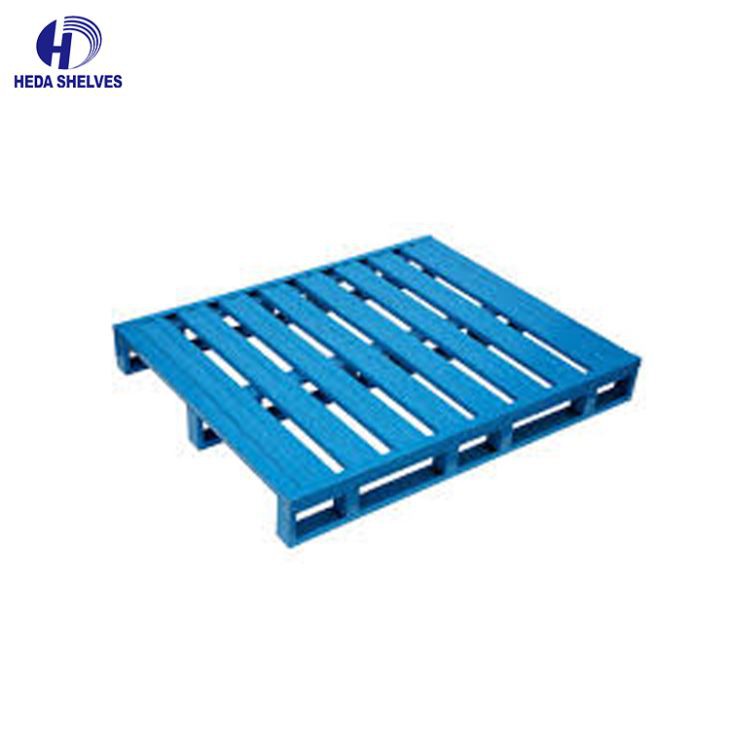
- Weld Broken Sections: If a section of the steel or metal pallet is broken, it can be repaired by welding. Clean the area around the broken section with a wire brush to remove any rust or debris. Use a welding machine to weld the broken section back together. Make sure to follow all safety precautions when welding.
- Replace Damaged Parts: If a part of the steel or metal pallet is severely damaged, it may be necessary to replace it. Remove the damaged part using a grinder or a cutting torch. Measure the size of the opening and cut a new part to fit. Secure the new part in place using bolts or rivets.
- Repair Rust and Corrosion: Rust and corrosion can weaken the structure of a steel or metal pallet. To repair rust and corrosion, use a wire brush or a sandblaster to remove the rust. Apply a rust inhibitor to the cleaned area to prevent further rusting. Paint the pallet with a protective coating to enhance its durability.
Safety Precautions
When repairing a damaged pallet, it's important to take the necessary safety precautions to avoid injuries. Here are some safety tips to keep in mind:
- Wear Protective Gear: Wear safety glasses, gloves, and a dust mask to protect your eyes, hands, and lungs from debris and chemicals.
- Use the Right Tools: Use the appropriate tools for the job, such as hammers, screwdrivers, saws, and welding machines. Make sure the tools are in good working condition and are used correctly.
- Follow Safety Procedures: When using power tools or welding equipment, follow all safety procedures and instructions provided by the manufacturer. Keep a fire extinguisher nearby in case of an emergency.
- Work in a Well-Ventilated Area: When using chemicals or welding equipment, work in a well-ventilated area to avoid inhaling fumes and gases.
Extending the Lifespan of Pallets
In addition to repairing damaged pallets, there are several steps you can take to extend their lifespan and prevent future damage. Here are some tips:
- Proper Handling: Train your employees on proper pallet handling techniques to avoid rough handling and excessive stress on the pallets. Use pallet jacks, forklifts, and other handling equipment correctly.
- Regular Inspections: Conduct regular inspections of your pallets to identify any signs of damage or wear. Replace damaged pallets immediately to prevent further damage to your goods.
- Storage: Store your pallets in a dry, clean, and well-ventilated area to prevent moisture and mold growth. Avoid stacking pallets too high to prevent them from collapsing.
- Load Capacity: Make sure to use pallets that are designed to handle the weight and size of your goods. Overloading pallets can cause them to break or collapse.
Conclusion
Repairing a damaged pallet is a cost-effective way to extend its lifespan and ensure its continued functionality. By following the tips and techniques outlined in this blog post, you can repair a variety of pallets, including wood, plastic, steel, and metal pallets. Remember to take the necessary safety precautions when repairing pallets and to follow proper handling and storage practices to prevent future damage. If you have any questions or need further assistance with pallet repair or procurement, please don't hesitate to contact us. We're here to help you find the right pallet solutions for your business needs.
References
- "Pallet Repair Guide." Material Handling Equipment Manufacturers Association (MHEDA).
- "How to Repair a Wood Pallet." The Spruce Crafts.
- "Repairing Plastic Pallets." Pallet Central.
- "Steel Pallet Repair." Industrial Pallet Rack.