

Hey there! As a mezzanine racking supplier, I often get asked about the height limitations of mezzanine racking. It's a super important topic, especially if you're looking to maximize your warehouse space. So, let's dive right in and explore what these height limitations are all about.
Understanding Mezzanine Racking
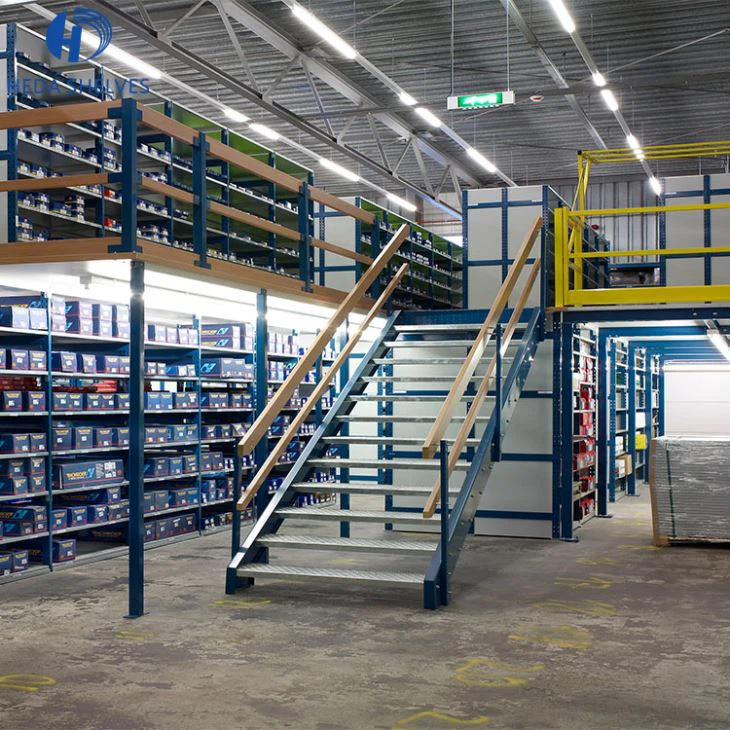
First off, for those who aren't too familiar, mezzanine racking is a great way to add an extra level of storage space in your warehouse. It's like creating a second floor that can be used to store goods, equipment, or even as an office area. There are different types of mezzanine racking, such as the Superblock Mezzanine Platform, Attic Storage Rack, and Warehouse Mezzanine Floors. Each type has its own unique features and benefits, but they all share the common goal of increasing storage capacity.
Factors Affecting Height Limitations
There are several factors that come into play when it comes to the height limitations of mezzanine racking. Let's take a look at some of the most important ones.
Building Structure
The structure of your building is a major factor. Older buildings may have limitations in terms of the load-bearing capacity of the floors and walls. If the building can't support the weight of a taller mezzanine racking system, then you'll have to go for a lower height. On the other hand, newer buildings are often designed with more flexibility in mind, allowing for taller mezzanine structures. You need to get a structural engineer to assess your building to determine what height is feasible.
Fire Safety Regulations
Fire safety is a top priority in any warehouse. Local fire codes and regulations often have specific requirements regarding the height of mezzanine racking. For example, there may be limits on how close the mezzanine can be to the ceiling to ensure proper ventilation and fire suppression. If you exceed these height limits, you may face legal issues and put your employees and inventory at risk. It's crucial to work with a supplier who understands these regulations and can design a mezzanine that complies with them.
Material Handling Equipment
The type of material handling equipment you use in your warehouse also affects the height of the mezzanine. If you're using forklifts or other tall equipment, you need to make sure there's enough clearance between the equipment and the mezzanine. This means that the height of the mezzanine has to be adjusted accordingly. For example, if your forklift has a maximum lift height of 10 feet, you don't want to install a mezzanine that's so low that the forklift can't operate properly.
Accessibility and Egress
Accessibility and egress are important considerations. You need to ensure that employees can easily access the mezzanine and that there are proper emergency exits in case of an evacuation. If the mezzanine is too tall, it may be difficult to provide safe and easy access. Stairways, ladders, and ramps need to be designed in a way that complies with safety standards and allows for efficient movement of people and goods.
Typical Height Ranges
So, what are the typical height ranges for mezzanine racking? Well, it really depends on the factors we just discussed. In general, mezzanine racking can range from around 8 feet to 20 feet or more. Smaller mezzanines in older buildings or those with limited load-bearing capacity may be on the lower end of the range, around 8 to 12 feet. These are often used for light storage or as a work area.
Medium-sized mezzanines, which are more common in modern warehouses, can be between 12 and 16 feet tall. This height allows for a good balance between storage capacity and accessibility. You can store a significant amount of inventory on the mezzanine while still being able to use standard material handling equipment.
Larger mezzanines, especially those in large distribution centers or new construction, can reach heights of 16 to 20 feet or even higher. These are typically used for high-density storage and require a more robust building structure and proper fire safety measures.

Customizing the Height
One of the great things about mezzanine racking is that it can be customized to fit your specific needs. As a supplier, we work closely with our customers to understand their requirements and design a mezzanine that meets their height and storage needs. We take into account all the factors we've discussed, such as building structure, fire safety, and material handling equipment.
For example, if you have a unique building layout or specific storage requirements, we can design a mezzanine with a non-standard height. Maybe you need a taller mezzanine in one area of the warehouse and a shorter one in another. We can make it happen. Our team of experts will use advanced design software to create a 3D model of the mezzanine, allowing you to visualize how it will look and function in your space.
Benefits of Choosing the Right Height
Choosing the right height for your mezzanine racking has several benefits. First of all, it maximizes your storage space. By using the vertical space in your warehouse effectively, you can store more inventory without having to expand your building. This can save you a lot of money in the long run.
Secondly, it improves operational efficiency. A well-designed mezzanine with the right height allows for easy access to stored items and efficient movement of material handling equipment. This means that your employees can work more quickly and safely, reducing the time and cost of picking and storing goods.
Finally, it ensures compliance with regulations. By working with a professional supplier who understands the height limitations and safety requirements, you can avoid costly fines and legal issues. You can have peace of mind knowing that your mezzanine is safe and legal.
Conclusion
In conclusion, the height limitations of mezzanine racking are determined by a variety of factors, including building structure, fire safety regulations, material handling equipment, and accessibility. While there are typical height ranges, mezzanine racking can be customized to fit your specific needs. As a mezzanine racking supplier, we're here to help you navigate these factors and design a mezzanine that's perfect for your warehouse.
If you're interested in learning more about mezzanine racking or getting a quote for a custom-designed system, don't hesitate to reach out. We'd love to have a chat with you and see how we can help you make the most of your warehouse space.
References
- National Fire Protection Association (NFPA) Codes and Standards
- Occupational Safety and Health Administration (OSHA) Regulations
- Building Codes and Standards for Structural Design