

Hey there! As a pallet supplier, I often get asked about different types of pallets, and one question that comes up quite a bit is, "What is a chemical - resistant pallet?" Well, let me break it down for you.
Understanding Chemical - Resistant Pallets
First off, a chemical - resistant pallet is a special type of pallet designed to withstand exposure to various chemicals without getting damaged. Chemicals can be pretty harsh. They can corrode, dissolve, or degrade regular pallets over time. But chemical - resistant pallets are built tough to handle these substances.
There are different materials used to make these pallets, and each has its own set of advantages.
Plastic Pallets
Plastic pallets are a popular choice for chemical - resistant applications. You can check out more about Plastic Pallet. They're made from high - density polyethylene (HDPE) or polypropylene (PP), which are inherently resistant to many chemicals. These plastics can handle acids, alkalis, and solvents without losing their structural integrity.
One of the great things about plastic pallets is that they're lightweight. This makes them easy to move around in a warehouse. They're also hygienic, as they don't absorb moisture or harbor bacteria like wooden pallets can. And they're pretty durable. You can use them over and over again in chemical - handling environments.
For example, in a chemical manufacturing plant, where different types of chemicals are stored and transported, plastic pallets can be used to hold chemical drums or containers. They won't react with the chemicals, so there's no risk of contamination or damage to the pallets.
Metal Pallets
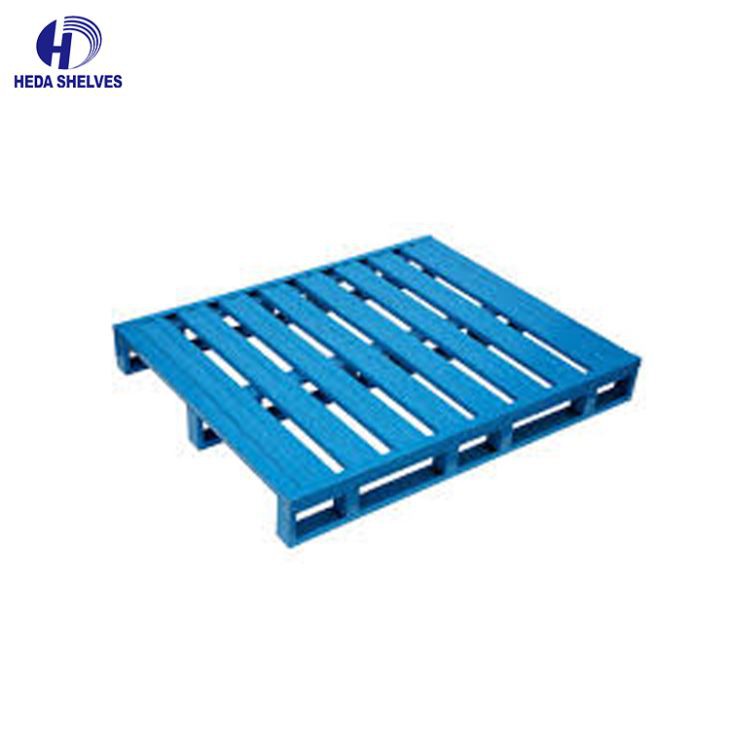
Metal pallets, such as Metal Pallets and Steel Pallet, are another option for chemical - resistant applications. Steel pallets, in particular, are known for their strength and durability. They can handle heavy loads and are resistant to impact.
When it comes to chemical resistance, metal pallets can be treated with special coatings. These coatings act as a barrier between the metal and the chemicals. For instance, a zinc - plated or powder - coated steel pallet can resist corrosion from many common chemicals.
In a warehouse that stores industrial chemicals, metal pallets can be used to stack large and heavy chemical containers. Their strength ensures that they can support the weight, and the chemical - resistant coating protects them from damage.
Factors Affecting Chemical Resistance
Not all chemical - resistant pallets are created equal. There are several factors that can affect their ability to withstand chemicals.
Type of Chemical
Different chemicals have different levels of reactivity. Strong acids and alkalis are more likely to damage pallets than milder substances. For example, sulfuric acid is a highly corrosive chemical. A pallet that can resist sulfuric acid needs to be made from a very resistant material or have a special protective coating. On the other hand, a less reactive chemical like water - based detergents may not pose as much of a threat to most chemical - resistant pallets.
Concentration of the Chemical
The concentration of the chemical also matters. A highly concentrated chemical is more likely to cause damage than a diluted one. For instance, a 90% solution of acetic acid will be more corrosive to a pallet than a 10% solution. So, when choosing a chemical - resistant pallet, you need to consider the concentration of the chemicals it will be exposed to.
Duration of Exposure
How long the pallet is exposed to the chemical is another important factor. A short - term exposure may not cause as much damage as a long - term exposure. In a situation where pallets are only briefly in contact with chemicals during loading and unloading, a less - resistant pallet might work. But if pallets are going to be stored in an area with constant chemical fumes or spills, a more durable and chemical - resistant option is needed.

Benefits of Using Chemical - Resistant Pallets
Using chemical - resistant pallets offers several benefits, especially in industries that deal with chemicals.
Safety
Safety is a top priority in any workplace. Chemical - resistant pallets reduce the risk of chemical spills and leaks that could harm workers or damage the environment. For example, if a chemical container leaks on a non - resistant pallet, the pallet could break down, causing the container to fall and spill more chemicals. But a chemical - resistant pallet can hold the container securely and prevent such accidents.
Cost - Effectiveness
In the long run, chemical - resistant pallets can save you money. They have a longer lifespan compared to regular pallets in chemical - handling environments. You won't have to replace them as often, which means lower replacement costs. Also, they can help prevent damage to the chemicals they're carrying, reducing the risk of product loss.
Regulatory Compliance
Many industries that deal with chemicals are subject to strict regulations. Using chemical - resistant pallets can help you meet these regulations. For example, in the pharmaceutical industry, pallets used to transport chemicals need to be made from materials that won't contaminate the products. Chemical - resistant pallets can ensure that you're in compliance with these rules.
Choosing the Right Chemical - Resistant Pallet
When it comes to choosing the right chemical - resistant pallet for your business, there are a few things to keep in mind.
Consider Your Chemicals
As I mentioned earlier, you need to know what types of chemicals your pallets will be exposed to, their concentration, and the duration of exposure. This will help you determine the level of chemical resistance you need.
Evaluate Your Load Requirements
Think about how much weight the pallets will need to support. If you're dealing with heavy chemical containers, you'll need a strong pallet, like a steel one. But if the loads are lighter, a plastic pallet might be a better option.
Look at Your Warehouse Layout
The layout of your warehouse also matters. If you have narrow aisles, lightweight and maneuverable pallets like plastic ones will be easier to handle. If you have a large open area, you might have more flexibility in choosing the type of pallet.
Conclusion
So, there you have it! A chemical - resistant pallet is a crucial piece of equipment in industries that deal with chemicals. Whether you choose plastic, metal, or steel pallets, make sure they meet your specific chemical - handling needs.
If you're in the market for chemical - resistant pallets, I'd love to help you find the right ones for your business. We have a wide range of options available, and we can work with you to determine the best fit based on your requirements. Just reach out, and we can start the conversation about your pallet needs.
References
- Chemical Resistance Guide for Plastics and Metals, Industrial Materials Handbook
- Best Practices for Pallet Selection in Chemical - Handling Environments, Warehouse Management Journal