

In the complex landscape of the pharmaceutical industry, the role of pallets often goes unnoticed yet remains crucial. As a pallet supplier deeply entrenched in this sector, I've witnessed firsthand the significance of pharmaceutical - grade pallets. These pallets are not just simple platforms for transporting goods; they are a vital link in the supply chain that ensures the integrity and safety of pharmaceutical products.
Defining Pharmaceutical - Grade Pallets
A pharmaceutical - grade pallet is a specialized type of pallet designed to meet the stringent requirements of the pharmaceutical industry. Unlike standard pallets used in other industries, pharmaceutical - grade pallets must adhere to strict regulations and quality standards. These pallets are used to store and transport pharmaceutical products, which are often sensitive to environmental factors such as temperature, humidity, and contamination.
One of the primary characteristics of a pharmaceutical - grade pallet is its cleanliness. The pallet must be free from any contaminants that could potentially affect the quality of the pharmaceutical products. This means that the materials used in the construction of the pallet should be non - porous and easy to clean. For example, plastic pallets are a popular choice in the pharmaceutical industry because they can be easily sanitized and are resistant to moisture and chemicals. You can learn more about Plastic Pallet on our website.
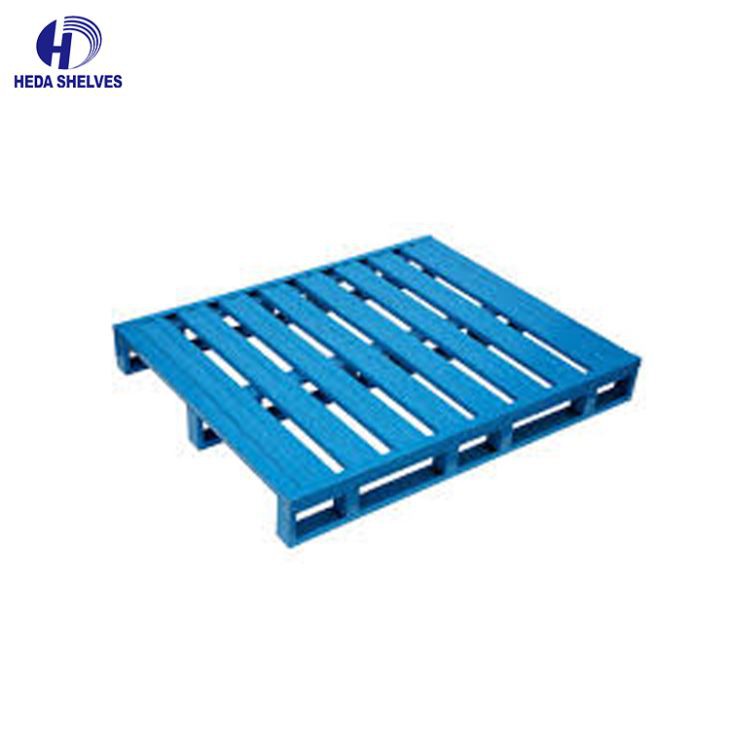
In addition to cleanliness, pharmaceutical - grade pallets must also be strong and durable. They need to withstand the weight of heavy pharmaceutical products during storage and transportation. Metal pallets, such as Metal Pallets and Steel Pallet, are known for their high load - bearing capacity and long - term durability. They can handle the rigors of the pharmaceutical supply chain, including multiple handling operations and long - distance transportation.
Regulatory Compliance
The pharmaceutical industry is highly regulated, and pallets used in this sector must comply with various national and international standards. For instance, the Good Manufacturing Practice (GMP) guidelines set out strict requirements for the storage and transportation of pharmaceutical products. These guidelines ensure that the pallets used are suitable for the purpose and do not pose any risk to the quality of the drugs.
Another important regulation is the ISO standards. ISO 17025, for example, is an international standard for testing and calibration laboratories. While it may not directly apply to pallets, it reflects the overall quality management approach in the pharmaceutical industry. Pallet suppliers need to ensure that their products meet similar high - quality standards to be accepted in the market.
Types of Pharmaceutical - Grade Pallets
Plastic Pallets
Plastic pallets are widely used in the pharmaceutical industry due to their many advantages. They are lightweight, which reduces transportation costs. They are also resistant to moisture, chemicals, and pests, making them ideal for storing pharmaceutical products. Plastic pallets can be easily cleaned and sanitized, which is essential for maintaining the cleanliness required in the pharmaceutical industry. Moreover, they can be designed with specific features such as anti - static properties to prevent damage to sensitive pharmaceutical products.
Metal Pallets
Metal pallets, especially steel pallets, are known for their strength and durability. They can support heavy loads and are suitable for use in automated storage and retrieval systems. Metal pallets are also resistant to fire, which is an important safety consideration in the pharmaceutical industry. They can be coated to prevent corrosion, ensuring a long service life.
Wooden Pallets
Although less common in the pharmaceutical industry compared to plastic and metal pallets, wooden pallets can still be used if they meet the necessary requirements. High - quality wooden pallets made from treated wood can be clean and strong. However, they require more maintenance to prevent issues such as splintering and insect infestation.
Design Considerations
When designing pharmaceutical - grade pallets, several factors need to be taken into account. First, the size and shape of the pallet should be compatible with the storage and transportation equipment used in the pharmaceutical supply chain. For example, pallets need to fit properly on forklifts, conveyors, and in storage racks.
Second, the pallet should be designed to minimize the risk of product damage. This may involve features such as rounded edges to prevent scratching of pharmaceutical containers and a stable base to prevent tipping during transportation.
Third, the pallet design should allow for easy handling. It should have clear access points for forklift forks or other handling equipment, ensuring efficient loading and unloading operations.
Quality Control
As a pallet supplier, quality control is of utmost importance. We have a comprehensive quality control system in place to ensure that all our pharmaceutical - grade pallets meet the highest standards. This includes raw material inspection, in - process inspection, and final product inspection.
Raw materials are carefully selected to ensure they are of the right quality. For plastic pallets, the plastic resin used must be of high - grade and meet the relevant safety and performance requirements. For metal pallets, the steel or other metals should have the appropriate strength and corrosion - resistance properties.
During the manufacturing process, regular inspections are carried out to monitor the production quality. This includes checking the dimensions, structural integrity, and surface finish of the pallets. Any defective products are immediately removed from the production line.
Finally, each pallet undergoes a final inspection before it is shipped to the customer. This ensures that only pallets that meet all the requirements are delivered.
Supply Chain Integration
Pharmaceutical - grade pallets play a vital role in the integration of the pharmaceutical supply chain. They need to be compatible with other elements of the supply chain, such as packaging, storage facilities, and transportation vehicles.
For example, pallets should be designed to work well with the packaging of pharmaceutical products. The size and shape of the pallet should allow for efficient stacking of product packages, maximizing the use of storage space. In addition, pallets need to be compatible with the storage racks and shelving systems in warehouses. They should fit securely on the racks to prevent any movement or damage to the products.
In terms of transportation, pallets need to be suitable for the mode of transport. Whether it is by truck, train, or ship, the pallets should be able to withstand the vibrations, shocks, and environmental conditions associated with the journey.
Environmental Considerations
In today's world, environmental sustainability is an important consideration. As a pallet supplier, we are committed to providing environmentally friendly solutions. Plastic pallets, for example, can be recycled at the end of their life cycle, reducing waste. Metal pallets also have a long service life, which means less frequent replacement and lower overall environmental impact.

Conclusion
In conclusion, pharmaceutical - grade pallets are an essential part of the pharmaceutical supply chain. They must meet strict cleanliness, strength, and regulatory requirements. As a pallet supplier, we understand the importance of providing high - quality pallets that ensure the safety and integrity of pharmaceutical products. Whether you need Plastic Pallet, Metal Pallets, or Steel Pallet, we have the expertise and products to meet your needs.
If you are in the pharmaceutical industry and are looking for reliable pharmaceutical - grade pallets, we invite you to contact us for a procurement discussion. Our team of experts will be happy to assist you in finding the best pallet solution for your specific requirements.
References
- Good Manufacturing Practice (GMP) guidelines.
- ISO 17025: General requirements for the competence of testing and calibration laboratories.