

What is the Capacity of a Typical Shopping Trolley?
As a seasoned provider of shopping trolleys, I've encountered numerous inquiries regarding the capacity of these essential supermarket tools. Understanding the capacity of a typical shopping trolley is crucial for both retailers and consumers. It impacts the shopping experience, store layout, and overall operational efficiency. In this blog, I'll delve into the factors that determine the capacity of shopping trolleys, the standard capacities in the market, and how these capacities can influence your business decisions.
Factors Affecting Shopping Trolley Capacity
The capacity of a shopping trolley is not solely determined by its physical size. Several factors come into play, each contributing to the overall amount of goods a trolley can hold.
-
Design and Dimensions: The shape and size of the trolley basket are the most obvious factors. Trolleys with wider and deeper baskets generally have a larger capacity. However, the design also needs to consider maneuverability in the store aisles. A trolley that is too large may be difficult to navigate, especially in crowded stores.
-
Load - Bearing Structure: The strength of the trolley's frame and wheels is crucial. A well - constructed trolley can support a heavier load without tipping over or suffering damage. High - quality materials and robust engineering are essential for ensuring that the trolley can handle the weight of various products.
-
Product Types: Different products have different volumes and weights. For example, a trolley filled with bulky items like large bags of dog food will have a lower capacity in terms of the number of items compared to a trolley filled with smaller, lighter products such as cans of soda. The capacity also needs to account for the fact that some products may be irregularly shaped, which can affect how they are arranged in the trolley.
Standard Capacities in the Market
In the market, there are several common types of shopping trolleys, each with its own typical capacity.
-
Small Shopping Trolleys: These are often used in convenience stores or for quick shopping trips. They usually have a capacity of around 20 - 30 liters or can hold approximately 10 - 15 items of average size. Small trolleys are lightweight and easy to maneuver, making them ideal for customers who only need to purchase a few items.
-
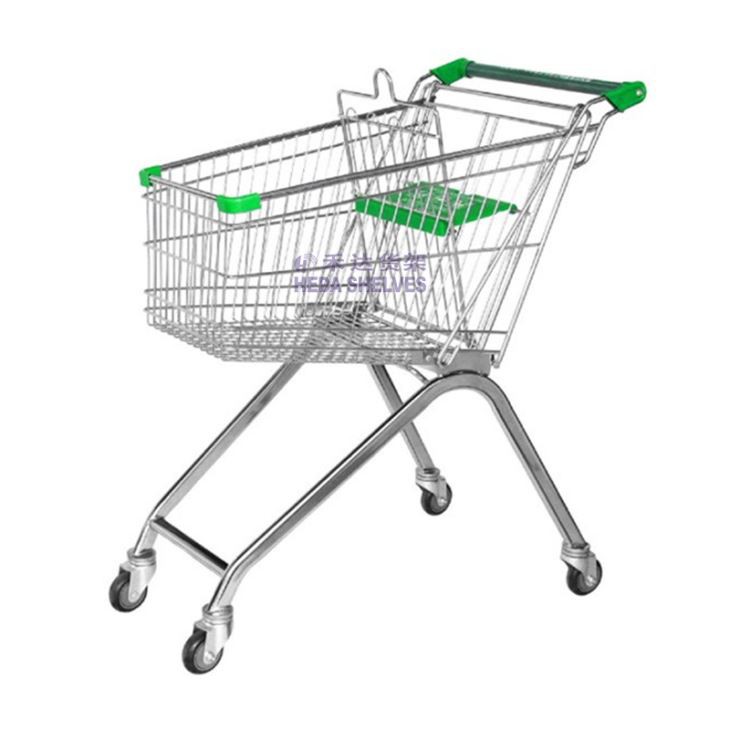
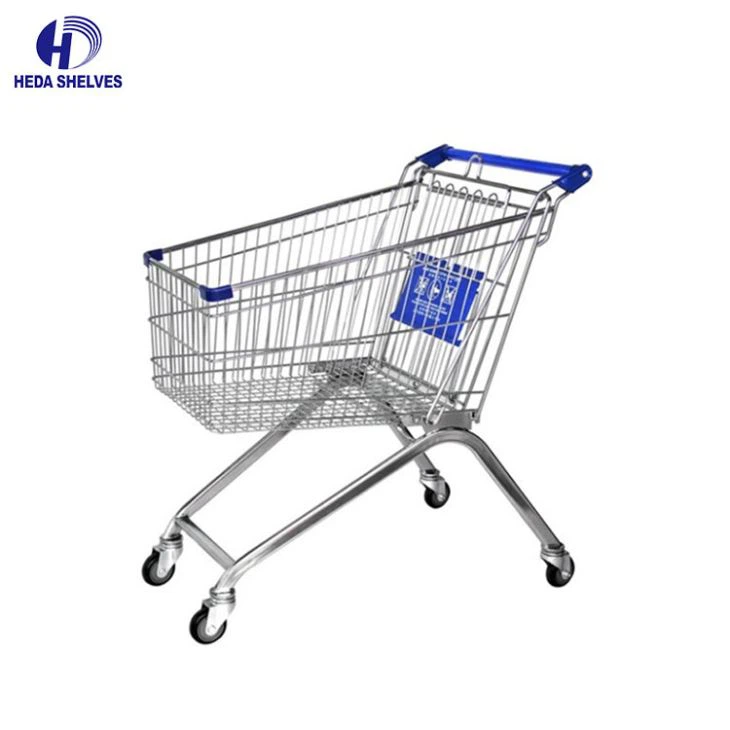
Medium - Sized Shopping Trolleys: This is the most common type of trolley found in supermarkets. They typically have a capacity of 40 - 60 liters and can accommodate around 20 - 30 items. Medium - sized trolleys strike a balance between capacity and maneuverability, making them suitable for most shopping trips. You can find a great selection of medium - sized trolleys, such as our 4 Wheel Shopping Trolley, which offers a reliable and practical solution for your store.
-
Large Shopping Trolleys: These are designed for customers who are doing a major grocery shopping or purchasing large items. They can have a capacity of 80 liters or more and can hold 40 or more items. Large trolleys are often used in hypermarkets or big - box stores. Our Shopping Cart Amazon is an example of a large - capacity shopping cart that provides ample space for customers to load up on their purchases.
Impact on Retailers
For retailers, understanding the capacity of shopping trolleys is essential for several reasons.
-
Store Layout and Design: The size and capacity of the trolleys need to be considered when designing the store layout. A store that uses large trolleys will need wider aisles to ensure that customers can move around easily. On the other hand, a store that caters to quick shoppers may opt for smaller trolleys, allowing for a more compact layout.
-
Customer Experience: Providing trolleys with the right capacity can enhance the customer experience. If the trolleys are too small, customers may have to make multiple trips or feel frustrated that they cannot fit all their items in one trolley. Conversely, if the trolleys are too large, it may be difficult for some customers to handle, especially in crowded stores.
-
Inventory Management: The capacity of the trolleys can also impact inventory management. Retailers need to ensure that the trolleys can hold a sufficient amount of products to meet customer demand. This can help in reducing the frequency of customers having to go back to the shelves to pick up more items, which can improve the overall efficiency of the shopping process.
Impact on Consumers
Consumers also benefit from having trolleys with appropriate capacities.
-
Convenience: A trolley with the right capacity allows consumers to shop more conveniently. They can load all their desired items into the trolley without having to worry about running out of space. This can save time and make the shopping experience more enjoyable.
-
Cost - Efficiency: For consumers who are doing bulk shopping, a large - capacity trolley can be more cost - efficient. They can purchase larger quantities of products at once, which may result in lower per - unit costs.
Special Considerations
In addition to the standard capacities, there are some special considerations when it comes to shopping trolley capacity.
-
Child Seats: Many shopping trolleys come with child seats. While this is a great feature for families, it does reduce the available space in the trolley. Retailers need to take this into account when determining the appropriate capacity for their trolleys.
-
Folding Trolleys: Some trolleys are designed to be foldable for easy storage. These trolleys may have a slightly lower capacity compared to non - folding trolleys due to the additional mechanisms and design features required for folding.
Choosing the Right Shopping Trolley for Your Store
When selecting shopping trolleys for your store, it's important to consider the specific needs of your customers and your store layout. If you have a small convenience store, small trolleys may be sufficient. However, if you operate a large supermarket or hypermarket, a combination of medium - and large - sized trolleys may be more appropriate.
Our company offers a wide range of shopping trolleys, including the Store Shopping Cart, which is designed to meet the diverse needs of retailers. We understand the importance of providing high - quality trolleys with the right capacity to enhance the shopping experience for your customers.
If you're interested in learning more about our shopping trolleys or would like to discuss your specific requirements, we encourage you to reach out to us. We're here to help you make the best decision for your business and ensure that your customers have a seamless shopping experience.
References
- "Retail Store Design and Layout" by Ron Kaufman
- "The Psychology of Shopping" by Paco Underhill