

As a trusted supplier of light-duty racking, I've witnessed firsthand the importance of stability in these storage solutions. In this blog, I'll delve into the concept of the stability factor of light-duty racking, explaining what it is, why it matters, and how to ensure your racks are as stable as possible.
What is the Stability Factor of Light-Duty Racking?
The stability factor of light-duty racking refers to the ability of the rack to remain upright and secure under various conditions, including the weight of the stored items, external forces such as vibrations or impacts, and the overall environment in which it is installed. A high stability factor means that the rack is less likely to tip over, collapse, or become damaged, ensuring the safety of both the stored goods and the people working around it.
Several factors contribute to the stability of light-duty racking, including:
- Design and Construction: The design and construction of the rack play a crucial role in its stability. A well-designed rack will have a sturdy frame, proper bracing, and a stable base to distribute the weight evenly. Additionally, the materials used in the construction should be of high quality and able to withstand the intended load.
- Load Capacity: Every light-duty rack has a specified load capacity, which indicates the maximum weight it can safely support. Exceeding this capacity can significantly reduce the stability of the rack and increase the risk of failure. It's essential to carefully consider the weight of the items you plan to store and choose a rack with an appropriate load capacity.
- Installation: Proper installation is key to ensuring the stability of light-duty racking. The rack should be installed on a flat, level surface and securely anchored to the floor or wall if necessary. Incorrect installation can lead to uneven weight distribution, which can cause the rack to become unstable over time.
- Maintenance: Regular maintenance is essential to keep light-duty racking in good condition and maintain its stability. This includes inspecting the rack for any signs of damage, such as bent or broken components, and replacing them as needed. Additionally, keeping the rack clean and free of debris can help prevent corrosion and other issues that can affect its stability.
Why Does the Stability Factor Matter?
The stability factor of light-duty racking is of utmost importance for several reasons:
- Safety: A stable rack reduces the risk of accidents and injuries in the workplace. If a rack were to tip over or collapse, it could cause serious harm to employees, damage to stored goods, and even disrupt business operations. By ensuring the stability of your racking, you can create a safer working environment for everyone.
- Product Protection: A stable rack helps protect the items stored on it from damage. When a rack is unstable, the items on it may shift or fall, leading to breakage, scratches, or other forms of damage. By keeping the rack stable, you can ensure that your products remain in good condition and are ready for use or sale.
- Efficiency: A stable rack allows for efficient storage and retrieval of items. When a rack is unstable, it may be difficult to access the items on it, which can slow down operations and reduce productivity. By choosing a stable rack, you can optimize your storage space and improve the efficiency of your warehouse or storage area.
- Cost Savings: Investing in a stable light-duty rack can save you money in the long run. By reducing the risk of accidents and damage, you can avoid costly repairs, replacements, and downtime. Additionally, a stable rack can help you make the most of your storage space, reducing the need for additional racking or storage facilities.
How to Ensure the Stability of Light-Duty Racking
As a supplier of light-duty racking, I recommend the following steps to ensure the stability of your racks:
- Choose the Right Rack: When selecting a light-duty rack, consider the specific needs of your application. This includes the weight and size of the items you plan to store, the available space, and the intended use of the rack. Choose a rack with an appropriate load capacity and design that meets your requirements.
- Follow the Manufacturer's Instructions: Always follow the manufacturer's instructions for installation, use, and maintenance of the rack. These instructions are designed to ensure the safe and proper operation of the rack and can help you avoid common mistakes that can affect its stability.
- Inspect the Rack Regularly: Regularly inspect the rack for any signs of damage or wear. This includes checking for bent or broken components, loose connections, and signs of corrosion. If you notice any issues, address them immediately to prevent further damage and ensure the stability of the rack.
- Train Your Employees: Proper training is essential to ensure that your employees understand how to use the light-duty rack safely and correctly. This includes training on how to load and unload the rack, how to handle heavy items, and how to recognize and report any signs of instability.
- Use Additional Support if Necessary: In some cases, you may need to use additional support to enhance the stability of your light-duty rack. This could include using floor anchors, wall brackets, or additional bracing. Consult with a professional or the manufacturer to determine if additional support is necessary for your specific application.
Types of Light-Duty Racking and Their Stability
There are several types of light-duty racking available, each with its own unique features and stability characteristics. Here are some common types and their considerations:
- Stainless Steel Shelves: Stainless steel shelves are known for their durability and corrosion resistance. They are often used in environments where hygiene is a concern, such as food processing facilities or laboratories. The stability of stainless steel shelves depends on the thickness of the steel, the design of the frame, and the quality of the welding. They typically have a good stability factor when properly installed and used within their load capacity.
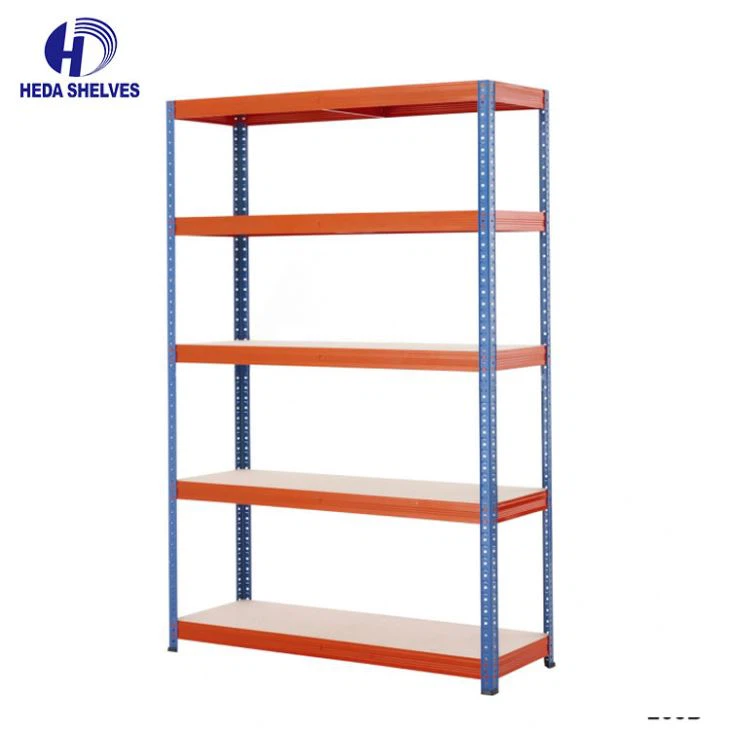
- Metal Rack Shelf: Metal rack shelves are a popular choice for general storage applications. They are available in a variety of styles and sizes and can be made from different types of metal, such as steel or aluminum. The stability of metal rack shelves is influenced by the gauge of the metal, the presence of bracing, and the way the shelves are attached to the frame. When properly selected and installed, metal rack shelves can provide reliable stability.
- Kitchen Storage Rack: Kitchen storage racks are designed to organize and store items in the kitchen. They come in various shapes and sizes, including wall-mounted racks, freestanding units, and pull-out drawers. The stability of kitchen storage racks depends on factors such as the mounting method, the weight of the items stored, and the construction materials. Wall-mounted racks should be securely attached to the wall studs, while freestanding units should have a wide base for stability.
Conclusion
In conclusion, the stability factor of light-duty racking is a critical consideration when choosing and using these storage solutions. By understanding what the stability factor is, why it matters, and how to ensure the stability of your rack, you can create a safe, efficient, and productive storage environment. Remember to choose the right rack for your needs, follow the manufacturer's instructions, inspect the rack regularly, train your employees, and use additional support if necessary.
If you're in the market for light-duty racking or have any questions about the stability factor, please don't hesitate to contact us. Our team of experts is here to help you find the perfect storage solution for your business. We look forward to working with you and helping you optimize your storage space with stable and reliable light-duty racking.

References
- "Warehouse Storage Racks: A Guide to Selection and Use." International Warehouse Logistics Association.
- "Safety Guidelines for Storage Racking." Occupational Safety and Health Administration (OSHA).
- "Light-Duty Racking: Design and Installation Best Practices." Rack Manufacturers Institute (RMI).