


When you choose a warehouse storage racking solution, static or dynamic, how do you choose the right system for your business? Choosing the right racking solution is an essential factor to increase your storage efficiency.
That means your warehouse inventory must also adapt. You want your best sellers to be closest to your pick and pack area so that time isn't wasted walking around the warehouse. That way, the fulfillment process is sped up, and customers receive their orders faster.
That's precisely the goal of dynamic storage. But what is it exactly? How does it differ from traditional storage systems? And should all businesses be using it? In this article, we'll provide a comprehensive understanding of dynamic storage and its role in optimizing e-commerce logistics.
Understanding the Fundamentals of Loading Types
When designing your warehouse storage solution, you need to first understand the two primary types of loading that affect racking systems: static and dynamic. These concepts form the foundation of warehouse racking design and directly impact your operational efficiency and safety.
Static Loading Explained
Static loading refers to the weight of goods that remain stationary on your racking systems, exerting a constant force. This type of loading is ideal for items that you intend to store for longer periods without frequent movement1. When you implement static loading systems, you're prioritizing stability and weight capacity over rapid accessibility.
Common static racking systems you might consider include:
Selective Pallet Racking: This offers you direct access to every pallet with adjustable heights, making it ideal when you need to store diverse SKUs or retail inventory.
Cantilever Racking: Features open arms that support long, bulky items like lumber or steel beams, giving you easy loading and unloading capabilities.
Drive-In Racking: Maximizes your storage space with a Last-In-First-Out (LIFO) approach, where forklifts enter the structure-perfect when you're storing bulk raw materials or uniform products.
Mezzanine Racking: Helps you utilize vertical space by creating stable storage platforms, particularly suitable for lighter goods or additional workspace.
These static systems are generally gentler on your products and can typically carry heavier loads, making them the go-to choice when your primary need is stable, long-term storage.
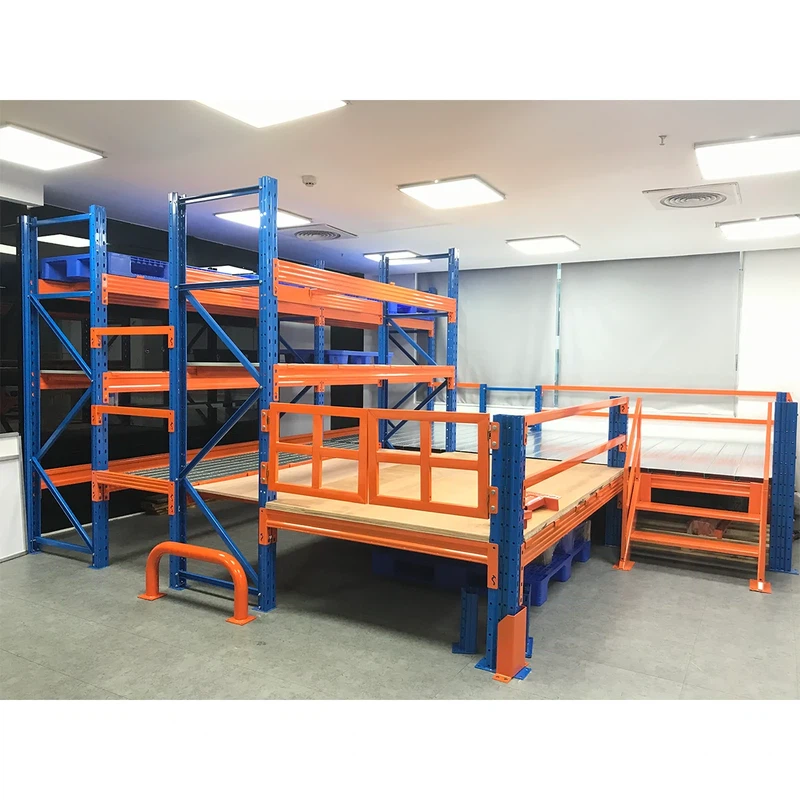
Dynamic Loading Explained
Dynamic loading involves weights that move, often using gravity or mechanized motion. When you choose dynamic loading systems, you're prioritizing efficiency and throughput over pure storage capacity. These systems are designed to facilitate movement and accessibility of your inventory.
If your operation requires high turnover rates, consider these dynamic racking options:
Pallet Flow Racking: Uses inclined rollers for First-In-First-Out (FIFO) inventory management, with gravity driving the movement-ideal when you're storing perishables, food, or pharmaceuticals.
Carton Flow Racking: Supports rapid picking for smaller items through gravity-fed mechanisms, making it perfect for your e-commerce or retail fulfillment operations.
Push Back Racking: Features nested carts that slide under gravity in a LIFO configuration, offering higher density storage for seasonal goods.
Radio Shuttle Racking: Provides semi-automated solutions where shuttles move pallets in deep lanes, optimizing space in your large-scale operations.
Dynamic systems can enhance your operational efficiency by reducing labor and equipment costs by up to 75%. However, you should be aware that these systems require more careful maintenance due to their moving parts.

Key Differences Between Static and Dynamic Loading
Understanding the differences between these loading types will help you make more informed decisions for your warehouse design:
Motion and Force Variability
The fundamental distinction lies in motion and how forces are applied to your racking:
Static Loading: When you use static loading, you're dealing with constant weight and no external forces while goods are at rest. This allows for higher load ratings-for instance, a wood block pallet might be rated at 5,500 lbs for static loads compared to 4,600 lbs for dynamic loads.
Dynamic Loading: With dynamic loading, your goods are in motion and subject to additional forces like acceleration. You'll need to account for potential shifts in weight, which is why dynamic ratings are typically lower than static ones.
Design and Maintenance Considerations
Your choice between static and dynamic systems will affect ongoing operational requirements:
Static systems prioritize strength and stability, generally requiring less maintenance1.
Dynamic systems incorporate mechanisms like rollers or conveyor belts, increasing your maintenance needs but enhancing flow efficiency1.
Inventory Flow Management
Your inventory management strategy should guide your loading system choice:
Static loading is your best option when you need long-term storage for items with lower turnover rates1.
Dynamic loading excels when you require fast-moving, high-throughput environments with frequent inventory rotation1.
The Critical Importance of Load Ratings
Load ratings are the foundation of safe racking design in your warehouse. As the manufacturer provides these specifications, you must consider them non-negotiable guidelines.
Understanding Load Rating Implications
When you exceed load ratings, you risk structural failure that can endanger your personnel and inventory. You need to recognize that:
Static load ratings indicate the maximum weight your racks can safely hold when goods are stationary.
Dynamic load ratings account for movement, ensuring safety during loading, unloading, and transport operations.
Different pallet materials have varying capacities that you must consider:
- Wood stringer pallets: 2,500 lbs for both static and dynamic loads
- Wood block pallets: 5,500 lbs static and 4,600 lbs dynamic
- Plastic pallets: 30,000 lbs static but only 5,000 lbs dynamic
Ignoring these ratings significantly increases your risk of worker injuries and damaged racking, making strict adherence to manufacturer standards essential for your operation.
Factors Affecting Your Load Capacities
Several variables influence the capacity of your racking systems:
Structural Strength
The grade of steel and quality of construction determine the durability of your racking system. Higher-quality materials will provide greater long-term reliability for your storage needs.
Pallet Material Selection
Different pallet types offer varying load capacities that you should match to your storage requirements:
Wood stringer pallets provide 2,500 lbs capacity for both static and dynamic loads
Wood block pallets offer 5,500 lbs static capacity and 4,600 lbs dynamic capacity
Plastic pallets can support up to 30,000 lbs static but only 5,000 lbs dynamic
Impact of Damage and Age
Worn or damaged pallets significantly reduce capacity, making regular inspections essential for maintaining the integrity of your storage system. You should implement a routine inspection schedule to identify and replace compromised pallets.
Environmental factors like temperature fluctuations or seismic activity in your region can also affect system performance, requiring additional considerations in your racking design.
Selecting the Right Pallets for Your Specific Load Requirements
Your pallet selection is critical to effective load management in your warehouse:
For static systems, sturdy wooden or steel pallets are ideal when you're storing heavy, stationary goods.
Dynamic systems often require uniform, high-quality pallets like plastic models, which can offer higher dynamic capacity (5,000 lbs compared to wood block's 4,600 lbs).
Matching your pallet type to your racking design enhances both safety and efficiency in your operation.
Ensuring Safety and Efficiency in Your Warehouse
To maintain optimal safety and efficiency, you should:
Adhere strictly to load ratings provided by manufacturers
Ensure proper weight distribution across your racking systems
Secure all racking components according to specifications
Train your employees thoroughly in proper load handling and forklift safety
Establish clear emergency procedures1
Regular inspections of your racking systems will maintain their integrity and minimize potential hazards in your facility.
The Critical Role of Safety Practices
Implementing robust safety practices is essential for your warehouse operation:
Clearly label load limits on all racking
Provide comprehensive operator training
Address repairs promptly when needed
While manufacturers design racking with built-in safety factors, your compliance during actual use prevents accidents and extends system life. The significance of this approach is underscored by industry statistics-in 2021, 253,100 injuries were reported in the transportation and warehousing sector, representing a 22% increase from the previous year.
Regulatory Standards Impacting Your Load Ratings
Industry standards like ANSI MH16.1-2023 and OSHA guidelines shape the load ratings and design requirements for your racking systems. Your compliance with these standards ensures that your systems can withstand real-world conditions while protecting your workers and investments1.
Manufacturers engineer solutions to meet or exceed these benchmarks, with OSHA using the General Duty Clause to cite hazards involving improper anchoring and inadequate load rating information.
Maintenance and Inspection for Effective Load Management
Regular pallet maintenance is crucial for your operation. You should check for:
- Signs of wear
- Visible damage
- Compromised structural integrity
Implementing routine inspections of all racking components allows you to catch issues early, extending system lifespan and reducing operational costs. This practice, combined with strict adherence to manufacturer instructions, ensures the consistent performance of your storage systems.
Conclusion
Static and dynamic loading represent two essential approaches to warehouse racking, each with distinct advantages for different operational needs. Static systems offer stability and higher weight capacities for long-term storage, while dynamic systems facilitate inventory movement and enhance throughput efficiency.
Your specific operational goals, inventory characteristics, and space constraints should guide your choice between these systems. By prioritizing load ratings, implementing robust safety practices, and maintaining consistent inspection routines, you can optimize the efficiency and reliability of your warehouse operations.
Whether you're storing construction materials or shipping time-sensitive products, Get Free 3D Layout From Heda Shelves. We are 20+ Years Warehouse Storage Racking Manufacturer in China.